7 Signs You May Have Low Testosterone (And What Westfield Men Are Doing About It)
Low testosterone quietly affects millions of American men, and men's testosterone therapy has become one of the most searched health topics for men in Westfield, IN, and across Hamilton County. This article covers seven of the most common signs of low testosterone and explains what local men are doing to address them.
Testosterone naturally declines with age, and most men start to notice a drop somewhere in their 30s or 40s. The challenge is that symptoms often appear gradually, making it easy to chalk them up to stress or simply getting older. But there is a real hormonal reason behind many of these changes.
Sign 1: Constant Fatigue That Sleep Does Not Fix
Persistent fatigue is one of the earliest and most common symptoms of low testosterone. You may be getting seven or eight hours of sleep but still waking up drained. When testosterone levels drop, your body loses one of its key drivers of cellular energy. Men across the Westfield area often describe it as a battery that never fully recharges, no matter how much rest they get.
Sign 2: Declining Sex Drive
A noticeable drop in libido can be a clear signal that testosterone levels are off. Testosterone plays a central role in sexual desire, and when levels fall, interest in intimacy often falls with it. This is not simply a relationship issue. It is a physiological change that may have a straightforward hormonal cause. Men's testosterone therapy can help restore that drive by bringing levels back into a healthy range.
Sign 3: Mood Changes, Irritability, or Low Motivation
Low testosterone can affect how you feel emotionally, not just physically. Men with low T often report increased irritability, anxiety, or a persistent lack of drive. This flat, unmotivated feeling makes it hard to stay engaged at work or with family. Indiana's long winters and limited daylight can compound these mood effects, making it harder to distinguish seasonal blues from a hormone issue.
Sign 4: Loss of Muscle Mass or Increased Body Fat
Testosterone is essential for building and maintaining muscle. When levels drop, muscle becomes harder to gain and easier to lose, even with consistent effort. Many men in Westfield enjoy cycling the Midland Trace Trail, recreational sports, and regular workouts, and they start noticing plateaued or reversed results despite staying active. Body fat often increases around the midsection when testosterone is low.
Sign 5: Brain Fog and Difficulty Concentrating
Mental sharpness can be tied to hormone health. Low testosterone may contribute to difficulty focusing, memory lapses, or a general sense of mental cloudiness. Men often notice this during complex tasks or decision-making, feeling like they are running at half capacity despite adequate sleep and nutrition.
Sign 6: Sleep Problems
Disrupted sleep is both a symptom and a contributing factor in low testosterone. Low T can make it harder to fall or stay asleep, and poor sleep can push testosterone levels even lower. If you are waking frequently or struggling with restless sleep, it may be worth examining your hormone levels with a qualified provider.
Sign 7: Reduced Bone Density or Unexplained Physical Weakness
Testosterone helps maintain bone density in men, and lower levels over time may contribute to unexplained weakness, joint discomfort, or increased vulnerability to injury. Men who run or train regularly may notice that recovery simply takes longer than it used to.
What Are Westfield Men Doing About It?
More men in Westfield, IN, are taking a proactive approach rather than accepting low testosterone as an unavoidable part of aging. The first step is typically lab work to confirm whether levels are actually low. A qualified provider can review those results alongside your symptoms and explain what the numbers mean.
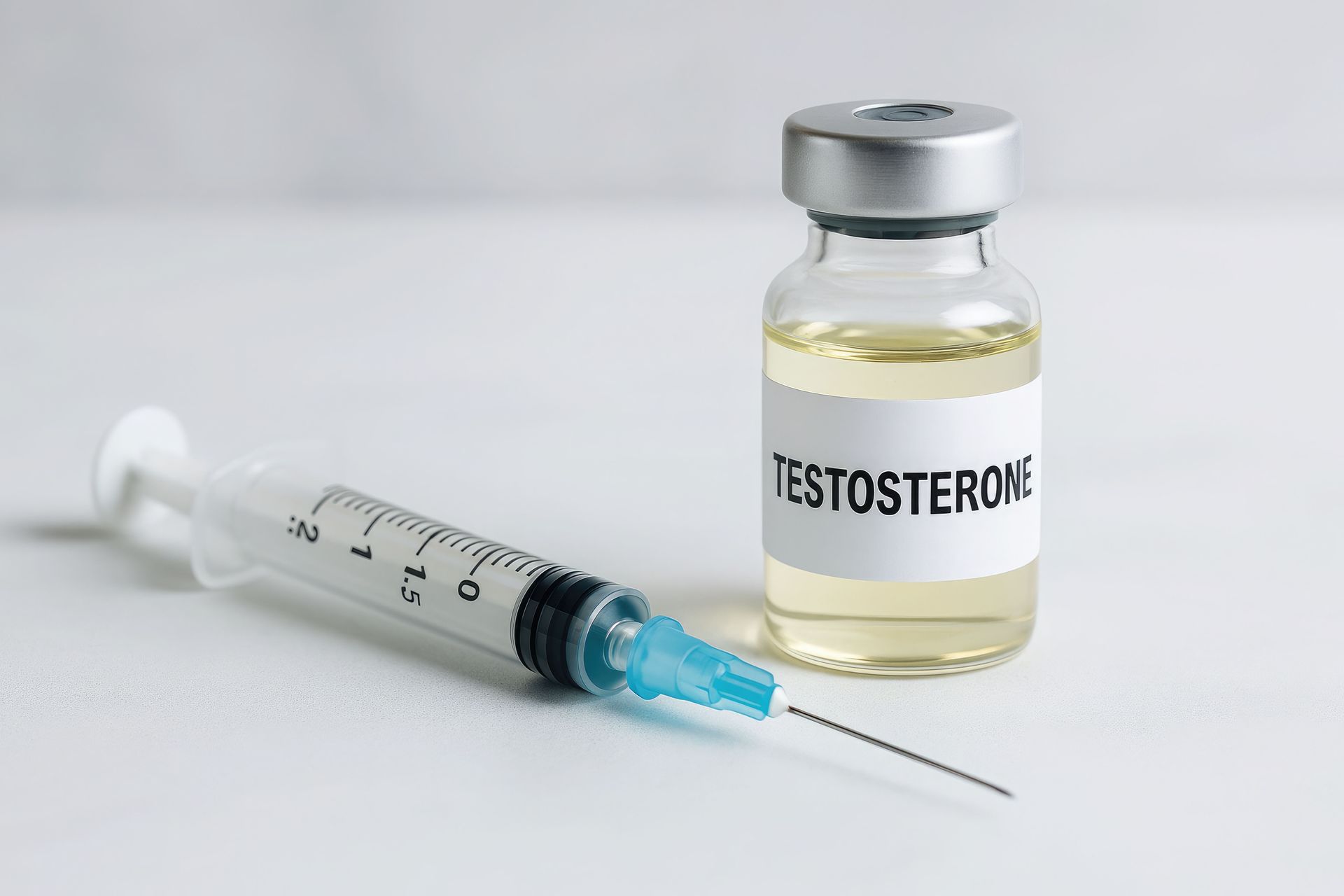
Treatment options include injectable therapy, topical creams, and pellet insertion. Each works differently in terms of administration frequency and how quickly it takes effect. A personalized plan accounts for your lifestyle, health history, and goals.
How Do I Know If I Need Men's Testosterone Therapy?
You may be a candidate if you are experiencing several of the signs above and your lab results confirm low testosterone. A provider will review both your bloodwork and symptoms before making any recommendations.
Is Testosterone Therapy Safe for Long-Term Use?
Testosterone therapy can be safe and effective when managed by an experienced medical provider. Regular lab monitoring and ongoing communication with your care team are important parts of the process.
How Long Before I Notice Results from Testosterone Therapy?
With any of the modalities, cream, pellet, or injections, symptoms can start to improve within a month. Results vary by delivery method and individual factors, so your provider will help set expectations based on your specific treatment plan.
Ready to Feel Like Yourself Again?
If several of the signs above sound familiar, it may be time to have a real conversation about your hormone health. Men's testosterone therapy in Westfield, IN, is about addressing the underlying reason you have been feeling off. Solid Wellness and Aesthetics offers personalized hormone care for men, with injectable, topical, and pellet therapy options designed around your individual needs. The team reviews your labs and listens to your full health picture before recommending any treatment.
Call
(317) 799-0450 to schedule your new patient visit, or
contact the clinic online
to get started. You can also learn more about
hormone therapy options for men to see what the process looks like from start to finish. Find
Solid Wellness and Aesthetics
on Google to read patient reviews and get directions.