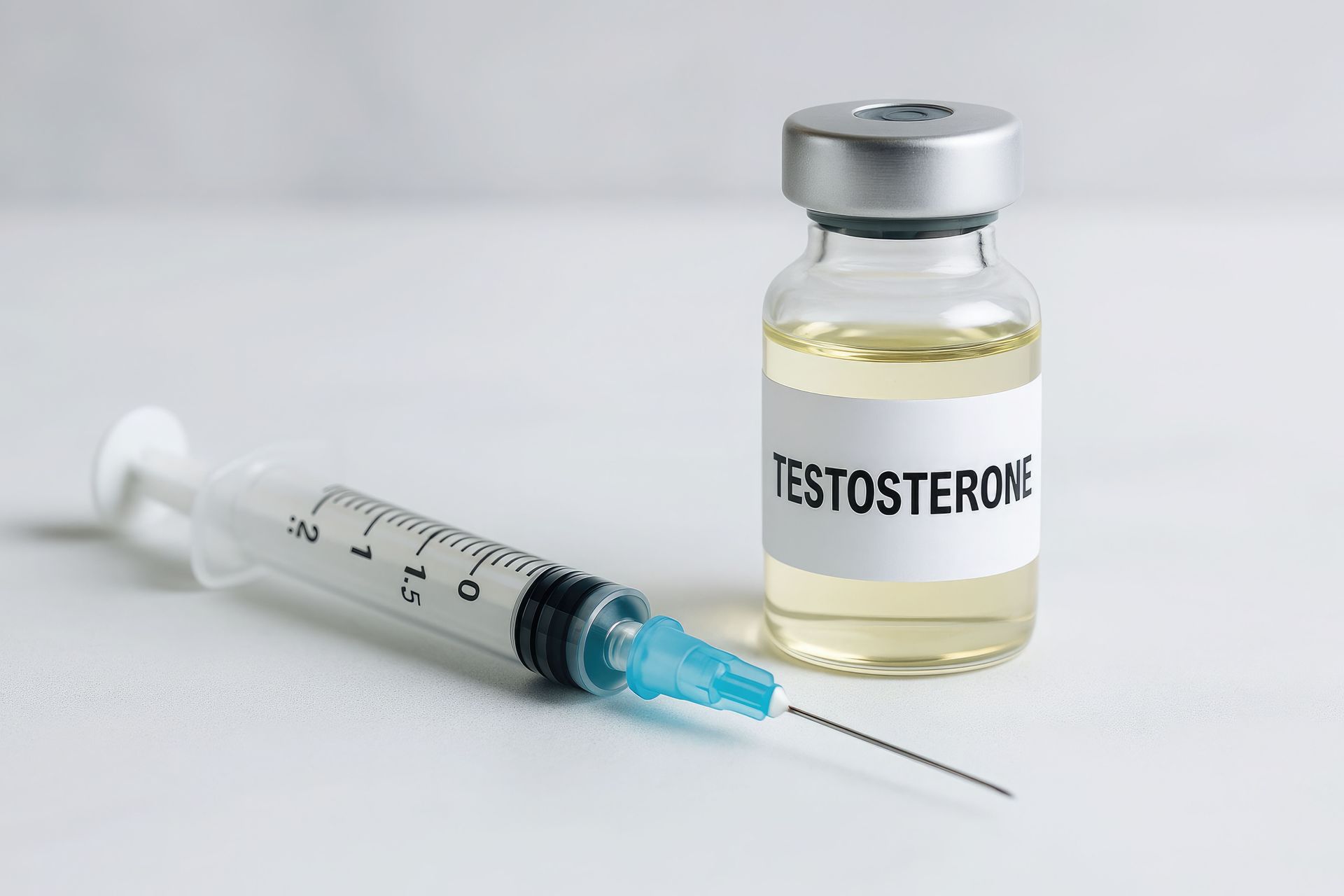
Errors to Avoid When Starting Male Testosterone Therapy
Starting testosterone therapy without the right information can lead to real health risks and disappointing results. Men across Westfield, IN, are looking for trustworthy guidance before they begin. Male testosterone therapy is a powerful clinical tool, but it only works well when approached correctly. Skipping steps, cutting corners, or relying on unverified sources can set a man back instead of moving him forward. This post covers the most common errors men make so you can start your journey on solid footing.
Skipping Baseline Lab Work Before You Start
Getting bloodwork done before therapy begins is the single most important first step. Without a baseline, your provider has no way to confirm you actually have low testosterone or to measure how your body responds to treatment over time. Total testosterone, free testosterone, estradiol, hematocrit, PSA, and a complete metabolic panel all help paint a full picture of your hormonal health.
Men in Hamilton County, including those in Westfield, IN, and surrounding communities like Carmel, Noblesville, and Zionsville, often present with symptoms that feel like low T but may stem from thyroid issues, poor sleep, or other underlying causes. Lab work separates guesswork from targeted care. Skipping it can mean starting a treatment your body does not actually need.
Ignoring Follow-Up Bloodwork Once Therapy Begins
Regular monitoring after starting therapy is just as critical as the initial labs. Testosterone therapy can affect red blood cell production, estrogen levels, and cardiovascular markers, and those changes need to be caught early. Providers typically recommend follow-up labs every few months during the first year, then at regular intervals after levels stabilize.
Men who skip these appointments may miss signs of elevated hematocrit, which can increase clotting risk, or rising estradiol, which brings its own unwanted symptoms. Clinical oversight is not optional. It is what makes male testosterone therapy safe and effective over the long term.
What Happens if You Stop Testosterone Therapy Abruptly?
Stopping therapy without a plan can cause your body's natural testosterone production to drop significantly. The hypothalamic-pituitary-gonadal axis, which controls hormone signaling, can become suppressed during therapy. If you stop suddenly, it may take time for output to recover to baseline. A qualified provider can help you taper or transition in a way that protects your health.
Using Unverified or Self-Sourced Testosterone
Using testosterone obtained online, from a gym contact, or from leftover prescriptions is one of the most dangerous errors a man can make. Products sourced outside of a licensed pharmacy may be mislabeled, contaminated, or dosed incorrectly, with no way to verify purity or concentration.
Beyond safety, self-dosing removes the ability to track whether treatment is working or whether cardiovascular markers are staying within a healthy range. In Indiana, testosterone is a controlled substance requiring a valid prescription from a licensed provider. Obtaining it any other way creates legal risk on top of health risk.
Men throughout the Westfield, IN, area who are considering male testosterone therapy should always work with a licensed medical professional who can prescribe, monitor, and adjust therapy based on actual lab results.
Expecting Full Results Within the First Few Weeks
Testosterone therapy is not a fast fix. Most men begin noticing improvements in energy, mood, and sleep within four to six weeks. But muscle development, body composition changes, and libido improvements can take three to six months or longer to become clearly noticeable.
Stopping therapy early because results feel slow is a mistake. The body needs time to adjust, and sustainable results require consistency. Staying in contact with your provider throughout this phase helps you set realistic expectations and avoid premature decisions.
What Are the Most Common Testosterone Therapy Mistakes?
The most common mistakes include starting without a lab-confirmed diagnosis, skipping follow-up monitoring, sourcing testosterone outside a licensed pharmacy, self-adjusting dosages, and quitting too early. Each error can reduce effectiveness or introduce real health risks. Working with a qualified clinical team helps you avoid all of them.
Adjusting Your Own Dose Without Clinical Guidance
Self-adjusting your dose can create serious problems. More testosterone does not always mean better results. High doses can cause elevated estradiol, suppressed fertility, acne, fluid retention, and cardiovascular stress. Providers calibrate doses carefully based on lab results, symptoms, and individual response. Men who have questions about their current plan should speak with their provider before making any changes. Proper male testosterone therapy protocols are designed to protect long-term health, not just short-term gains.
If your current dose does not feel effective, the right step is to contact your provider and request a lab review, not to increase the dose on your own.
Take the Next Step With Confidence
Starting male testosterone therapy the right way can be life-changing, but that outcome depends on working with a team that takes your health seriously. Solid Wellness and Aesthetics in Westfield, IN, offers personalized hormone therapy plans supported by comprehensive lab work, ongoing monitoring, and clinical review at every stage. The team serves men across Hamilton County, including Carmel, Noblesville, Zionsville, and beyond.
If you are ready to take an informed, clinically guided approach to hormone health, visit our male hormone therapy page to learn more or contact us today to schedule your consultation. You can also call or text (317) 799-0450 to speak with a member of the team.
Find us and read reviews for
Solid Wellness and Aesthetics on Google Maps.